
Citește interviul în limba română.
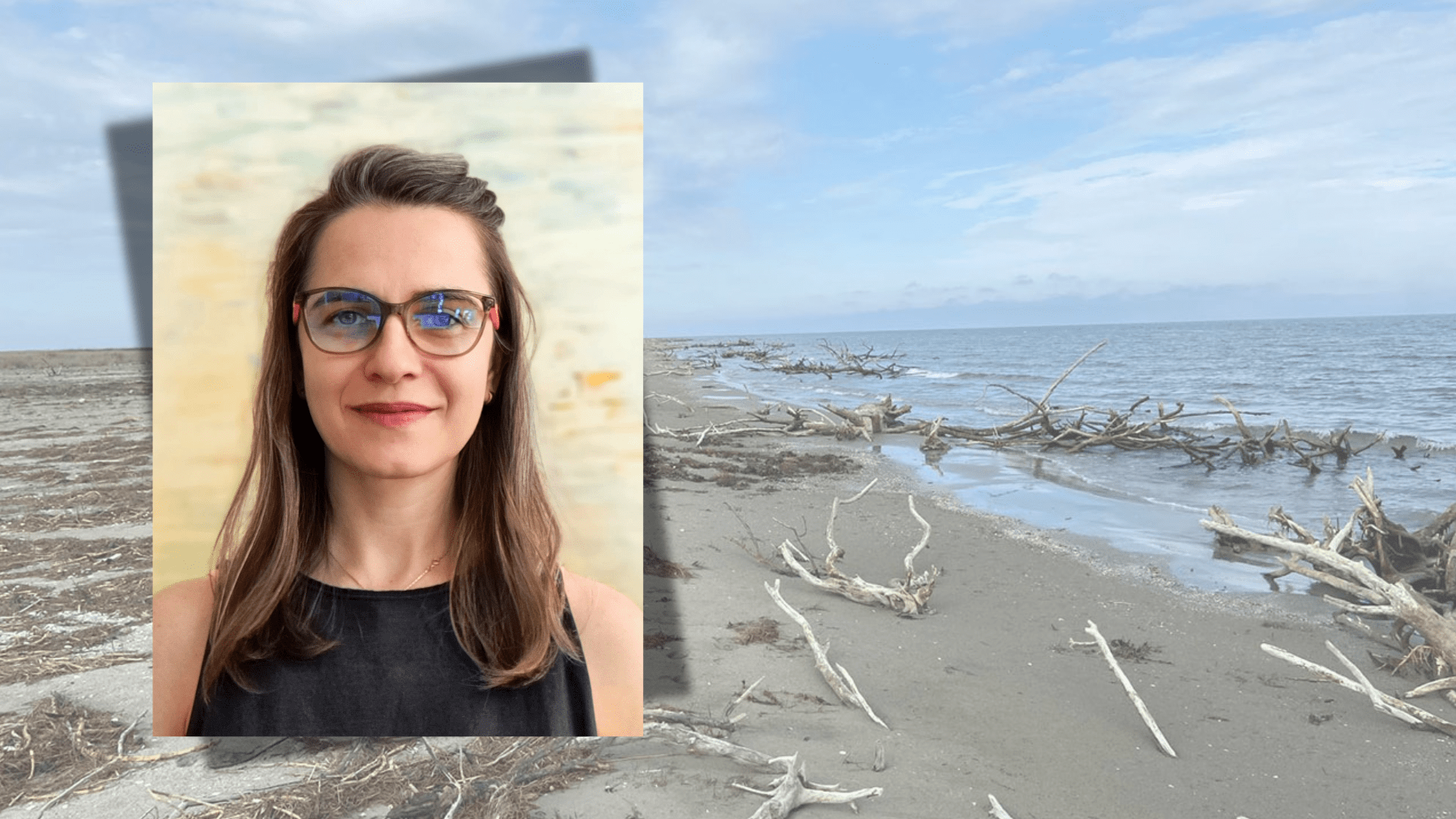
My current interests would shock the fifteen-year-old me – as of the past few years, I am more and more curious about nature, and about our ways of interacting with flora and fauna and other natural elements, focusing on current or potential ecological crises. Inevitably, I discovered and closely followed the projects run by Qolony NGO, and was excited to hear about Hidrotopias, an art exhibition that explores the connections between water, people, other forms of life, and the infrastructures that govern these connections in Sfântu Gheorghe, part of the Danube Delta, through the eyes of artists Floriama Candea, Ioana Vreme Moser, and Pepa Ivanova, who worked closely with researchers Ștefan Constantinescu and Răzvan Crimschi.
For this interview, part of a series that I hope will offer you meaningful perspectives from all the people involved in this project, I discussed Eat that Invasion with Pepa Ivanova, her contribution to the larger project, as well as her inspiration and feedback, her expectations, and the ways in which Sfântu Gheorghe might have surprised her.
After the Hidrotopias exhibition in Bucharest, I’m interested to know how this experience went down for you. What did you think about the way your project ”Eat that Invasion” was welcomed by the public, what does the feedback look like?
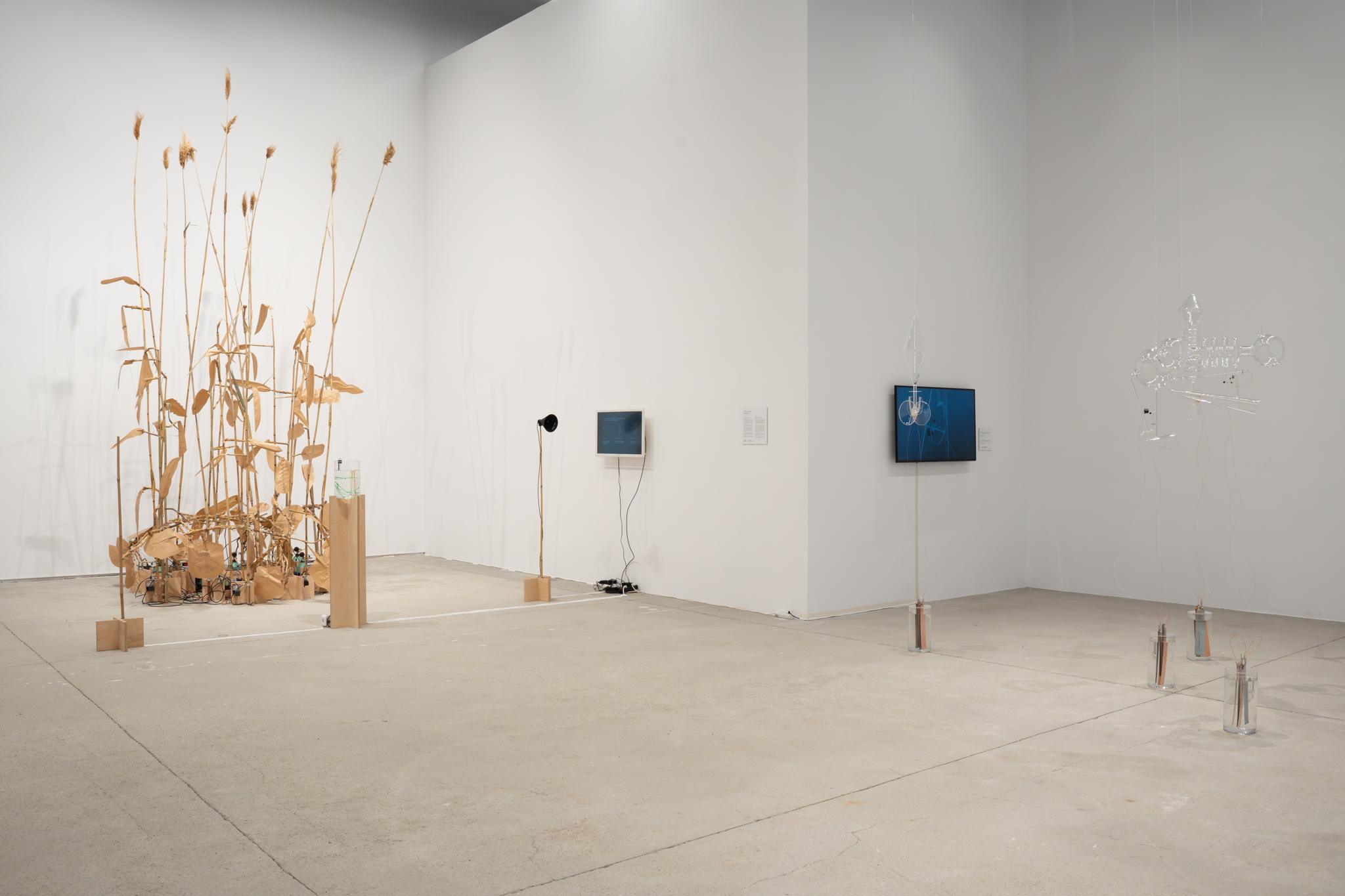
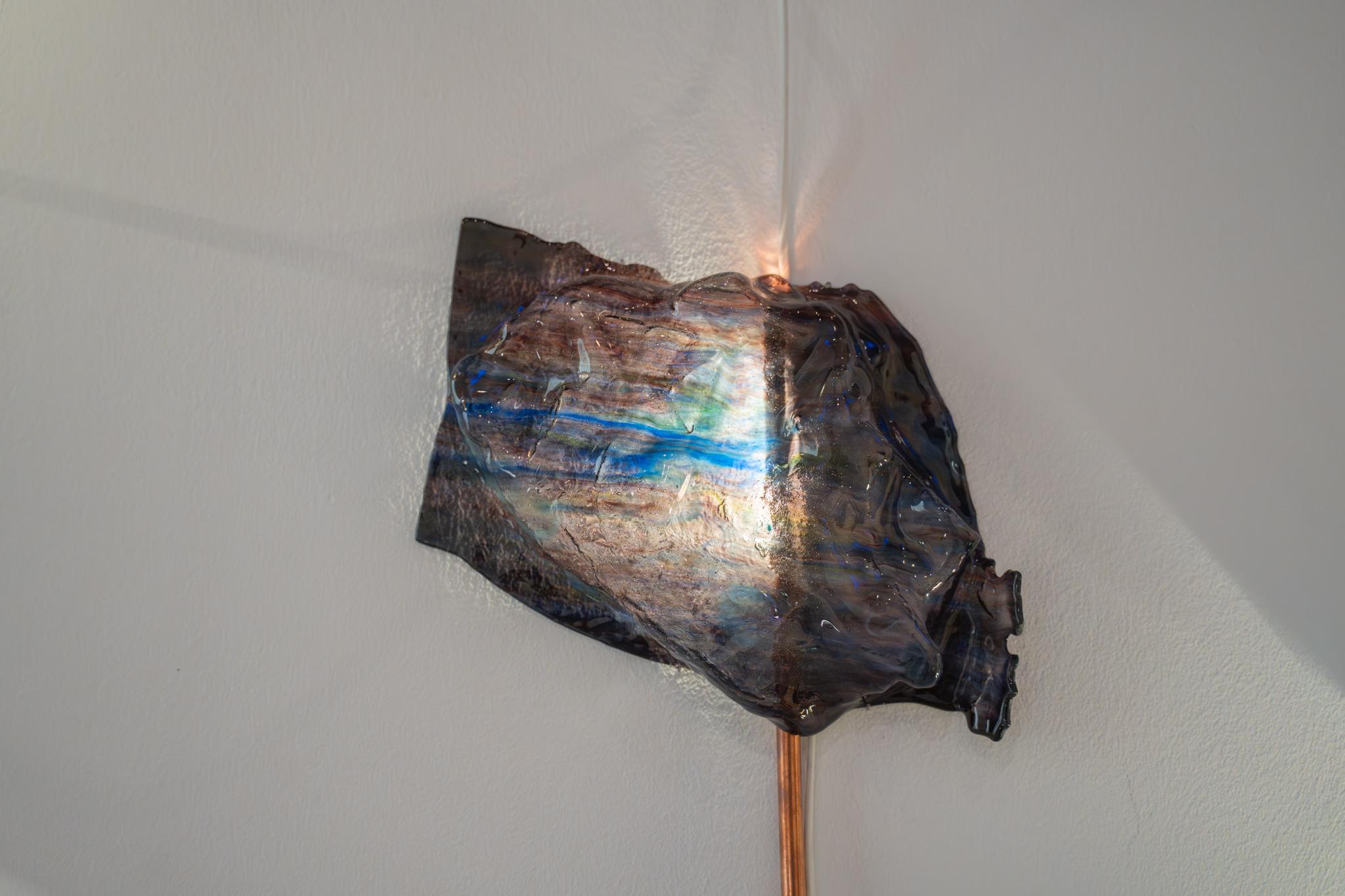
It was the first time I exhibited in Romania and I am thankful for the warm welcome of Sector 1 Gallery. My contribution in the group exhibition are two artworks: the light sculpture Sea on pieces and part of the series of drawings called: Sea designed by humans/ Where no humans exist. Both of them are part of the larger research Eat that Invasion focused on invasive species and actions in the Black Sea.
Present only at the opening I received various comments and reactions and I was happy to be explained in person the bigger concept that connects the artworks. The audience was very diverse and I was happy to meet so many people.
How important is it for you to create art with a message that could spark debate, to show people that art can be political? Or is it, though?
Messages or a story to me is the most important element in the art. The mediums and techniques to convey a message can enhance it and vary, as well as the audience perception of it. Throughout the presented artworks I only touch on the issues to raise awareness and questions not necessary to transport concrete answers.
Do you see yourself as an activist who happens to create art or as an artist that is focused on environmental issues?
When researching ecological crises becoming an activist is inevitable. The deeper I dive into the concept, the stronger the conversations I have with the involved scientists, activists and organisations is the feeling that my work should contribute to the social awareness and actions that must be taken.
Was the Danube Delta something familiar to you, was it of any interest before the research you conducted there or was it a complete surprise to find yourself in such a paradoxical environment?
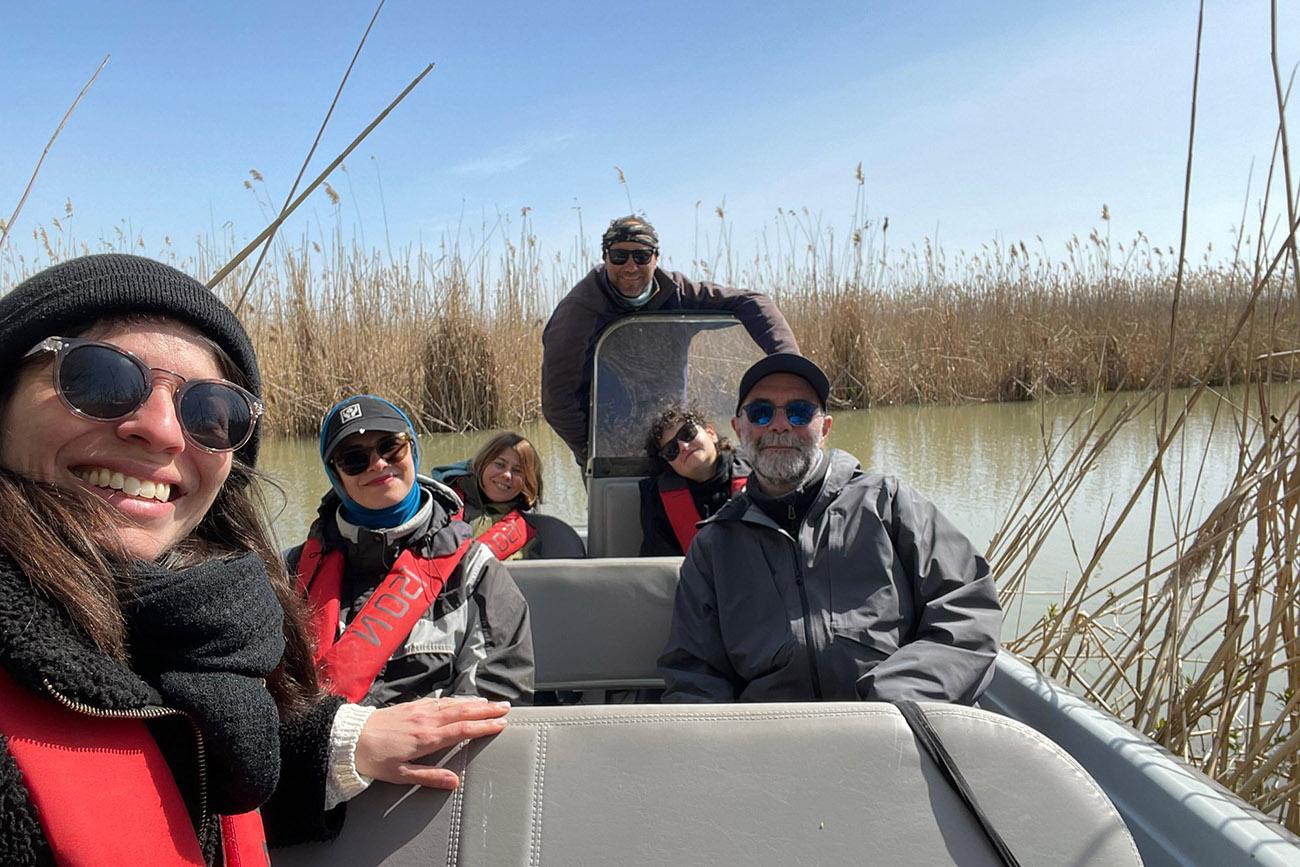
My initial interest about the Danube Delta was the water quality and content that runs into the Black Sea. Crossing almost the entire Europe Danube waters are stained with various anthropogenic activities that enter the sea. When I arrived at Sfântu Gheorghe I was in awe. Everything was condensed inspiration. The birds, the dolphins, the fish, the reed rooftops and sandy road, after the interactions with the people, the songs and preserved heritage, the fisherman code and stories and experiences wandering the pathways and drifting in the river arms. I am eternally enchanted about the delta and love the care and perseverance of the people living there.
In other words, were there any prejudices you may have happened to bring with you?
Before I went to the Delta I asked the scientists I work with here at the Black Sea, what should be researching there. They said: “Ask them about the fish?” That question echoed in my mind during the journey. Spending time with the fishermen and learning about their life and seasonal activities I realise how intertwined and hard is their survival with the river.
What about any situations or elements that shocked you, that bewildered you during your stay in Sfântu Gheorghe?
To me that place is absolutely magical. The light, the sounds, the fire bellied toad choir during their mating season, the golden jackals screams at night, the whispering sound of the wind in the reeds, the quiet boat gliding on the sky reflected onto the river surface, and so many stars… so beautiful.
The exhibition moved across the borders and was displayed at ReBonkers, in Varna, Bulgaria. What were your expectations regarding the way people have experienced your art there?
Since its revival in 2022, ReBonkers has become Varna’s leading contemporary art space and a key cultural hub in Bulgaria. I have expected strong interest in the exhibition, with visitors from across the country that reached out even before the opening and international audiences visiting during the peak tourist season.
The project brought together local fishermen, divers, scientists from the Institute of Oceanology, chefs working with invasive marine species, production partners, and the local municipality, local activists and students. Through the exhibition we brought all those people together for a collective talk on the Black Sea’s future and collective efforts to protect it.
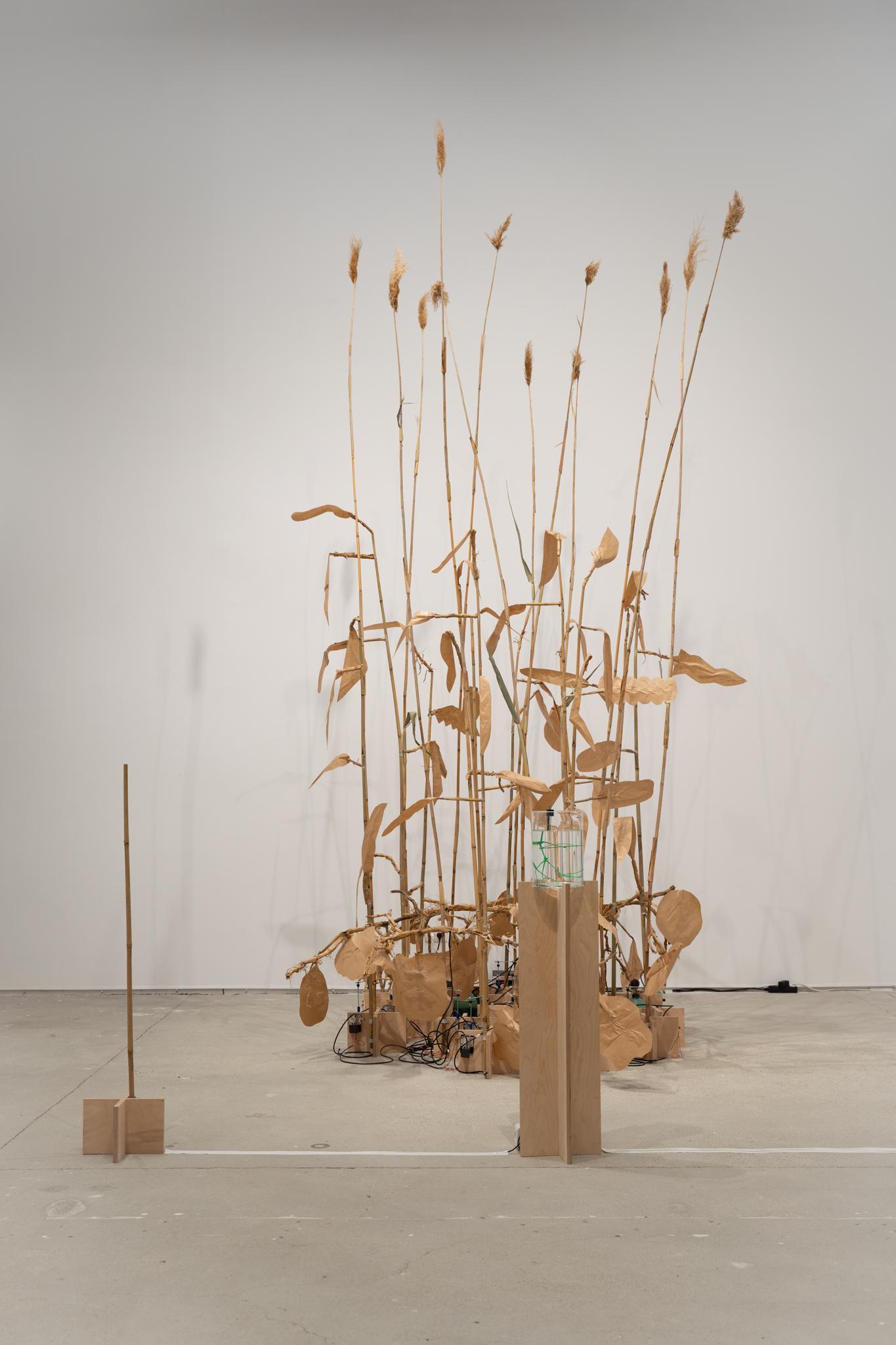
How do you – as an artist that is focused on the environment and the way we manage to live in a natural world that we’re exploiting, polluting, and destroying – perceive the increasing fascination most people feel with AI and the ”art” it makes at a great cost for our planet?
I do not share the AI fascination and I do not agree that artists must follow this hype, for the sake of higher paid artistic grants or otherwise. Art should not validate ecologically disastrous practices that promise universal comfort, enslaves many and serves the few. AI consumes a large scale of the vital matter for life on the planet, the water. I do not deny entirely the power of AI and machine learning that have proved to be a great help in science but how to constrain it will be humanity’s challenge.
In this project, I am concerned about the river, the sea, and their coastal areas, which are already in a fragile state due to global warming, harmful actions, waste and toxic runoffs. With my work I would rather come close to communities, bring awareness, start discussions, go fishing and diving to monitor the current transformations and unite actions and policies.
Your works included in ”Eat that Invasion” reflect upon the ways in which ecosystems and communities manage to adapt in case of radical change. The event in Bucharest was presented as one that does not mean to point at an utopia or a dystopia, but rather to be seen as an invite for the people to look at the world we already live in, noticing the coexistence we meet along the way. But how can one live in today’s reality and not feel overwhelmed by what seems to be a dystopian script?
That is a very good point, as ecological anxiety runs in all levels of society. My solution for me is community care and actions on a local scale. My recipes discuss ecological changes but also look for adaptive solutions. Metaphorically consuming a crisis can be one of them, precisely because overconsumption has caused the problem in the first place. Life on the planet had been in a continuous transformation, species had died out and others had appeared. I see humanity as a temporal species on earth, able to terraform on a mass scale in both destructive and positive ways. I am curious what is about to happen while I am reimagining various scenarios.
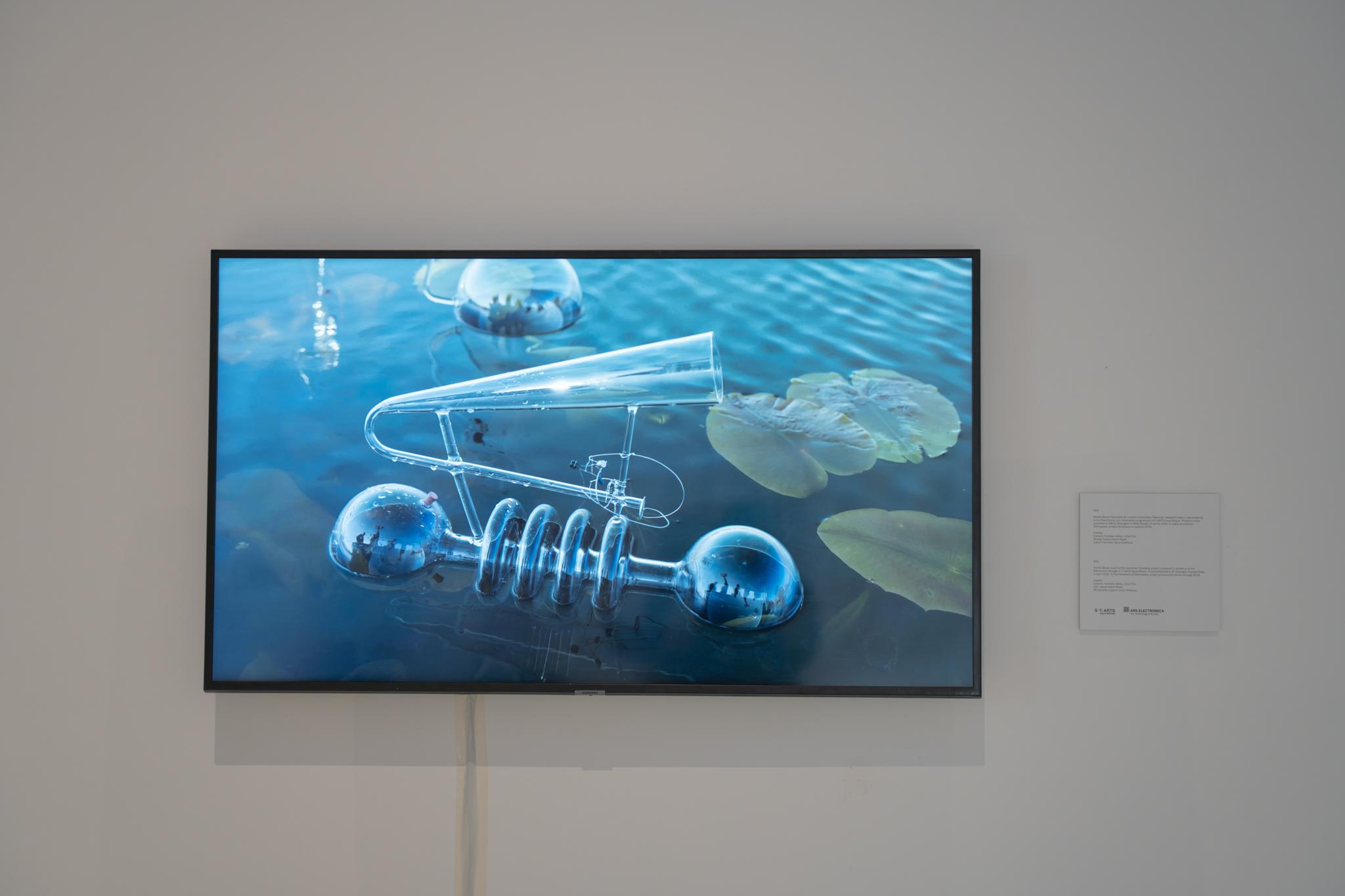
If you could sell ”Eat that Invasion” with just one sentence, what would that be and why?
“Scenarios and recipes to adapt in transformative habitat”. Because reimagining positive futures might bring us to the solutions of how to survive the inevitable ecological changes.
My website where I write book recommendations has a motto that I often use to close an interview, hoping to get more recommendations and simultaneously make people aware that they can invest time in reading on a daily basis, so I would love it if you could tell us this: what are you reading today?
Undrowned, Black Feminist Lessons from Marine Mammals, 2020, Alexis Pauline Gumbs.