
Citește acest interviu în limba română.
As part of Films of Iran Experience, organized by the Iranian Romanian Network at the Romanian Peasant Museum Cinema, Romanian audiences had the opportunity to discover a selection of contemporary Iranian short films directed by women, exploring themes such as identity, memory, loss, love, and female resilience with remarkable sensitivity and artistic depth. Beyond showcasing films made by women, the event also became an opportunity for dialogue about Iranian culture and one of the world’s most celebrated cinematic traditions.
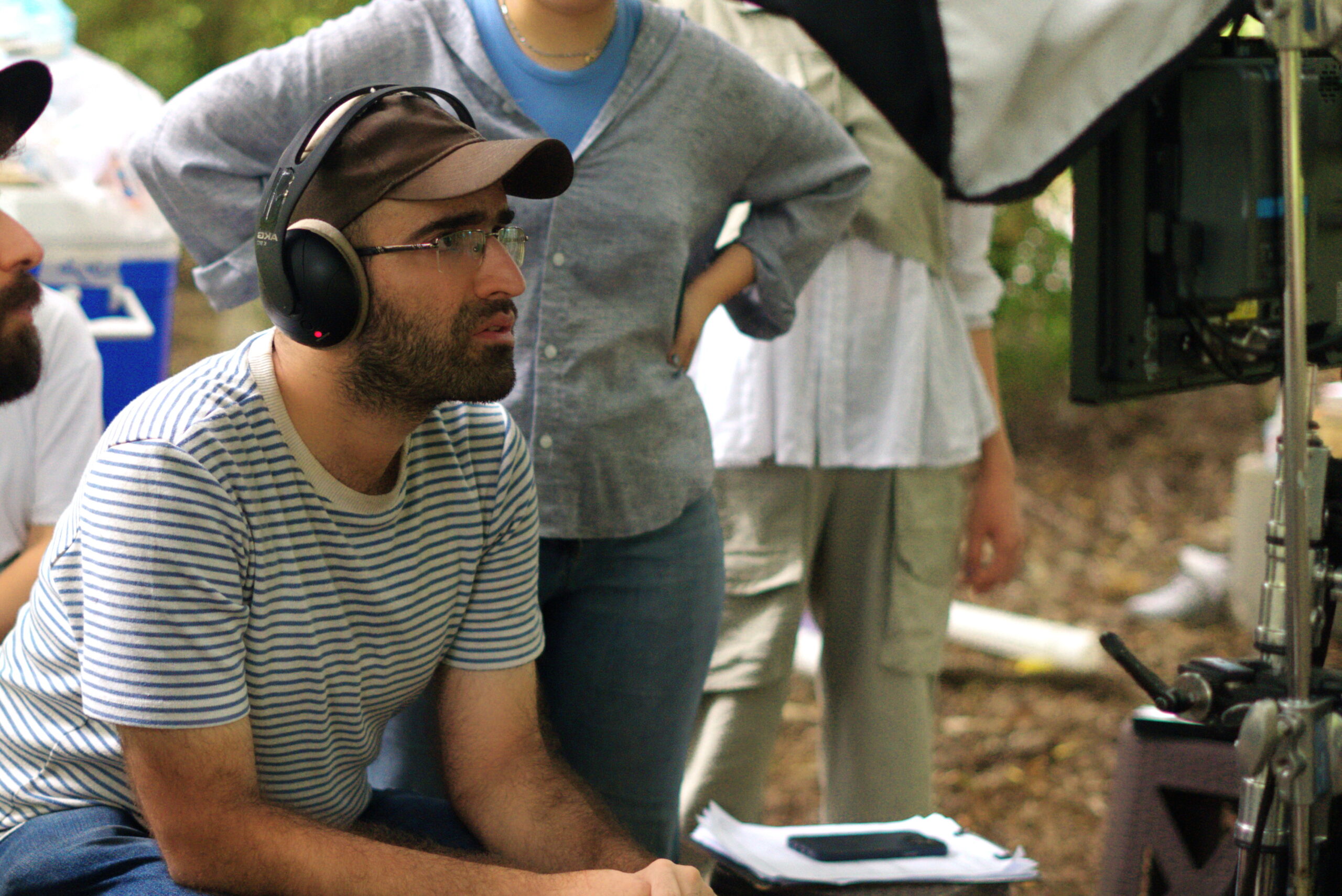
On this occasion, I spoke with filmmaker, researcher, and feminist art critic Armin Etemadi, one of the event’s special guests and the director of the trilogy The Woman Who Laughs, Fading Dream, and Prehistoric, presented in Romania for the first time. In the interview below, Armin Etemadi reflects on the ways memory shapes identity, the invisible structures of patriarchy and the inner worlds of female protagonists, the relationship between theatre and cinema, as well as the artist’s responsibility to portray the complexity of Iranian society with honesty and nuance. The conversation offers a broader reflection on freedom, imagination, and the role of art in a world where the most meaningful answers emerge through the acceptance of ambiguity.
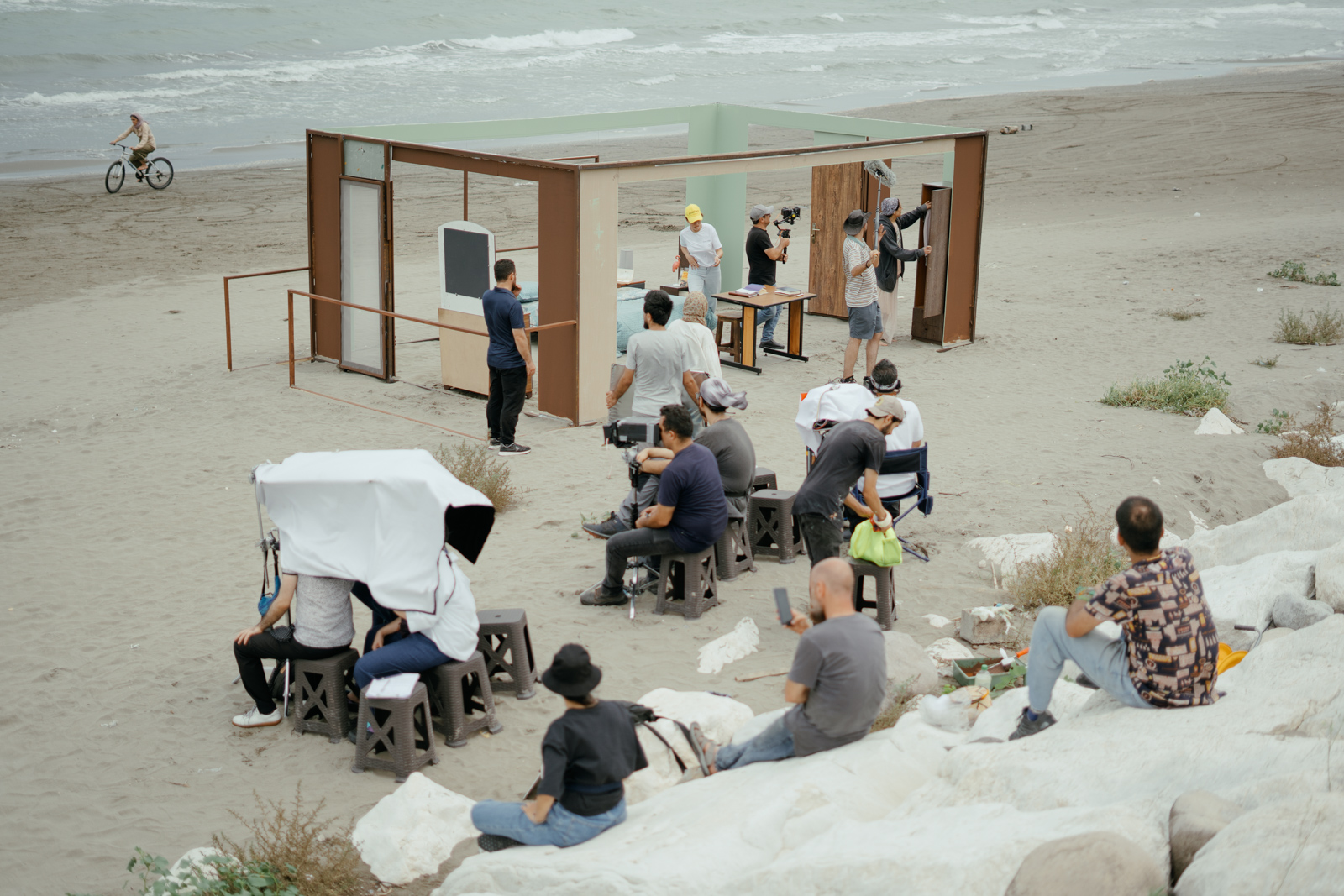
In Fading Dream, the past appears not merely as a memory but as a presence that continues to shape the present and influence the possibilities of the future. At what point do you think memory ceases to be an archive of experiences and becomes a form of destiny?
Yes, I think memory (especially childhood memory) becomes part of who we are. At the same time, it is never fixed. It can change, be reinterpreted, and acquire new meanings as we move through life.
There is a beautiful idea in David Lynch’s Lost Highway: we do not remember things exactly as they happened; we remember them as we have come to experience them. I have always found that idea deeply meaningful. It suggests that our inner experience of a memory can become more powerful than the event itself.
In Fading Dream, the slap Sima receives from her father carries a much heavier emotional weight than the physical act alone. I am sure her father never imagined that a single moment could leave such a lasting mark. But for a teenage girl, in a moment shaped by pride, vulnerability, and the search for identity, that experience becomes something much larger. Years later, she still seems to feel the redness of that slap on her face. To me, that is the moment when memory begins to resemble destiny: not because the past cannot change, but because the meaning we attach to it quietly shapes the way we see ourselves, others, and the future.
The female characters in your trilogy seem to confront not only specific people or situations, but also invisible structures that shape the way they perceive themselves. Do you think patriarchy operates today primarily through explicit restrictions, or through mechanisms so deeply internalized that they become indistinguishable from one’s own identity?
I think one of the defining characteristics of modern patriarchy is that it often becomes invisible and relies on hidden restrictions. As I think about my trilogy, I realize that this evolution is reflected in the films themselves. The further I moved through the trilogy, the less visible patriarchy became.
In Prehistoric, Nina’s deepest struggle is not simply the loss of her partner. Throughout her life, the value of her performances had been measured through his approval. After his death, she realizes that she has also lost the measure by which she judged herself. Her grief becomes inseparable from the process of rebuilding her own identity. That is the form of patriarchy I believe we increasingly confront today. It presents itself disguised and, on the surface, it may not openly prevent women from studying, creating, or succeeding. Yet it quietly produces inner structures that make it difficult for women to recognize and embrace themselves as fully independent individuals.
To me, those invisible structures are often far more enduring than the visible ones.
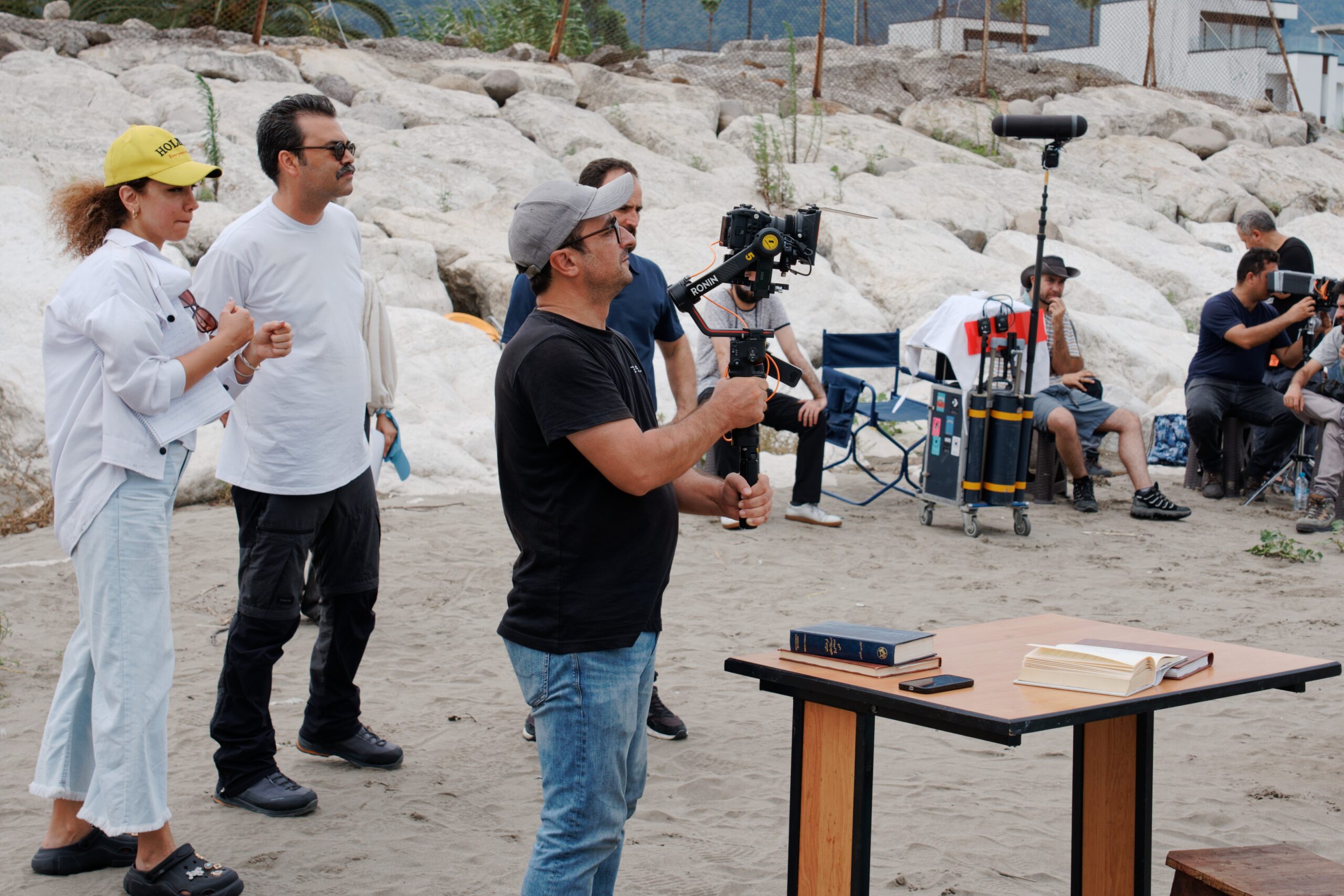
Iranian cinema is often celebrated for its ability to create meaning through what remains unsaid, turning limitations into artistic resources. What can cinematic metaphor express about women’s experiences that political or journalistic discourse often fails to capture?
For me, cinema is about internalizing lived experience. Political and journalistic discourse usually seeks to describe the external, public dimension of reality. Art, on the other hand, passes that reality through the lens of personal experience. When it comes to women’s lives, those personal experiences are as diverse as women themselves. For centuries, many women’s inner worlds remained largely unseen, pushed into private spaces and left outside the dominant historical narrative. That is why cinematic metaphor is so important. It allows us to express emotions, memories, and inner conflicts that cannot always be captured by facts, headlines, or political language. A metaphor does not explain an experience; it allows us to feel it.
I believe this is also why stories about women can be so unique, intimate, and creatively rich. They invite cinema to explore territories that have long remained invisible, and to reveal truths that are often emotional before they are political.
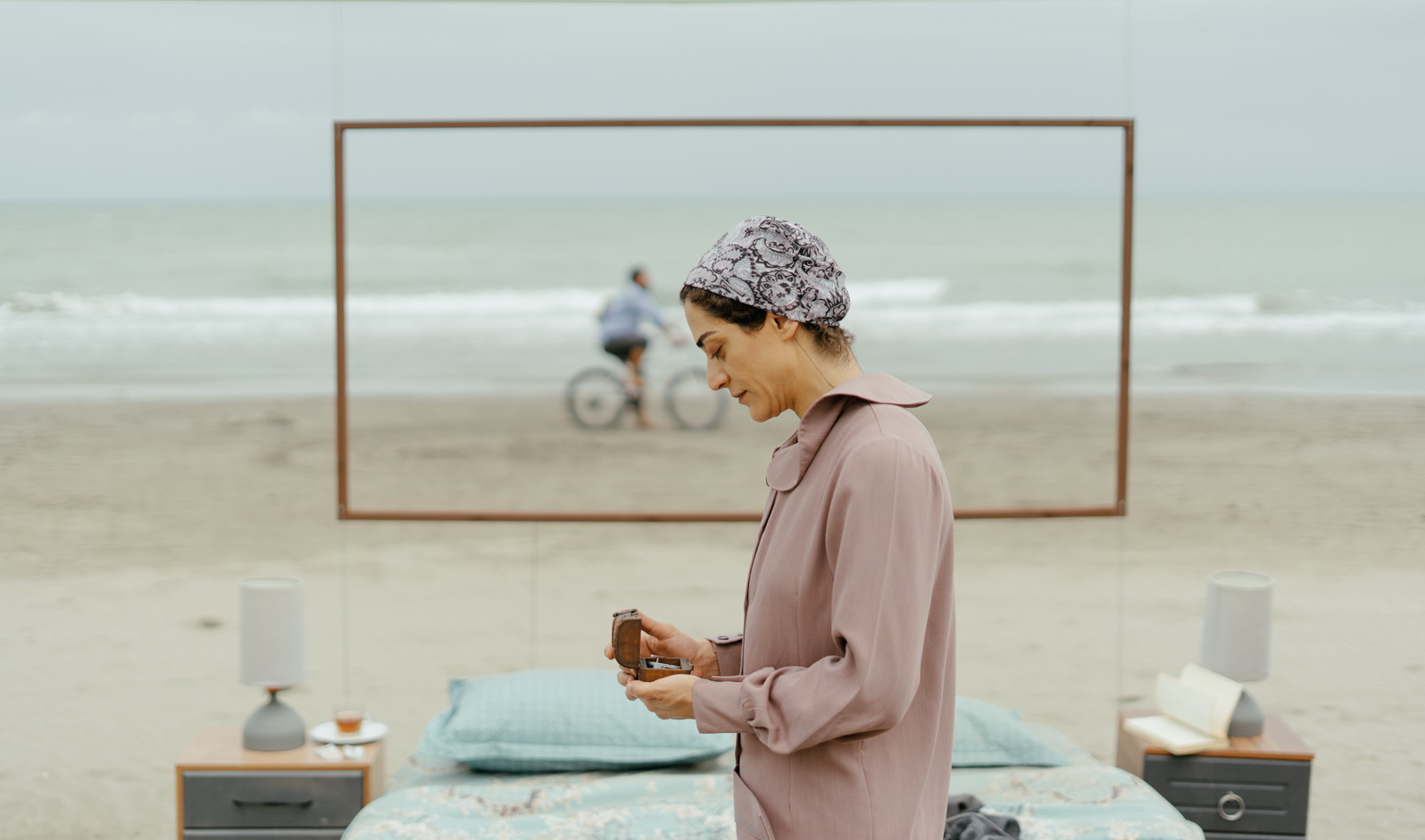
In Prehistoric, the refusal to accept death creates a fracture between reality, memory, and representation, while theatre becomes a space where these boundaries dissolve. Do you think grief is, at its core, an attempt to let go of another person, or to reconstruct one’s sense of self after their disappearance?
I believe that grieving someone you have loved deeply is, at a deeper level, also grieving a part of yourself that existed through your relationship with them. When that person disappears, something within you disappears as well.
In Prehistoric, this becomes even more pronounced because Nina’s relationship with her partner is subtly shaped by patriarchal dynamics. Over time, part of her identity has come to depend on his gaze, his approval, and his presence. When he dies, she is not only mourning him; she is also mourning the version of herself that existed alongside him. Human beings are shaped through relationships. The deeper the bond, the more profoundly its loss transforms us.
That is why I see Prehistoric as a film with two layers. On the surface, it is a story about grief. But beneath that, it is about Nina’s rediscovery of herself and of her own feminine identity. Her mourning becomes inseparable from the process of rebuilding who she is.
As a filmmaker, feminist art critic, and researcher, you have consistently chosen to explore the inner worlds and emotional experiences of women. What questions about the human condition do female characters allow you to explore that male characters do not?
I think female characters offer a particularly rich and complex window into the experience of modern humanity. Especially in the context of Iran, many women have had to navigate two parallel realities: their private selves and the social roles imposed upon them. Living between these worlds creates profound inner conflicts about identity, freedom, belonging, and the way we understand ourselves in relation to others.
For me, these are some of the deepest questions cinema can explore. The more layered and psychologically complex a drama becomes, the more naturally it lends itself to the kinds of experiences many women have historically been forced to negotiate. That is why I am drawn to female characters. Through them, I am not trying to understand only women; I am trying to understand the human condition itself.
Your films are deeply rooted in the social and cultural realities of Iran, yet they have resonated with audiences and received recognition in very different contexts. What do you think a viewer in Romania or elsewhere in Europe recognizes in a story that emerges from such a specifically Iranian experience?
I never set out to make a universal film. For me, cinema is fundamentally about empathy. The first thing I try to do is make my films as deeply Iranian as possible. That means staying close to characters and experiences that I have genuinely known and felt, people whose lives I understand in my bones. I believe that honesty is what allows empathy to emerge.
Paradoxically, I think being faithful to cultural specificity is precisely what makes a story universal. Not by erasing differences, but by embracing them with sincerity. When a filmmaker truly knows the people they are portraying, those lives become recognizable far beyond the culture they come from. A Romanian audience may not recognize every cultural detail in my films, but they can recognize grief, love, family, the search for identity, or the desire to be seen. Human emotions travel more easily than cultural contexts, and cinema has a unique ability to translate those emotions without needing to explain them.
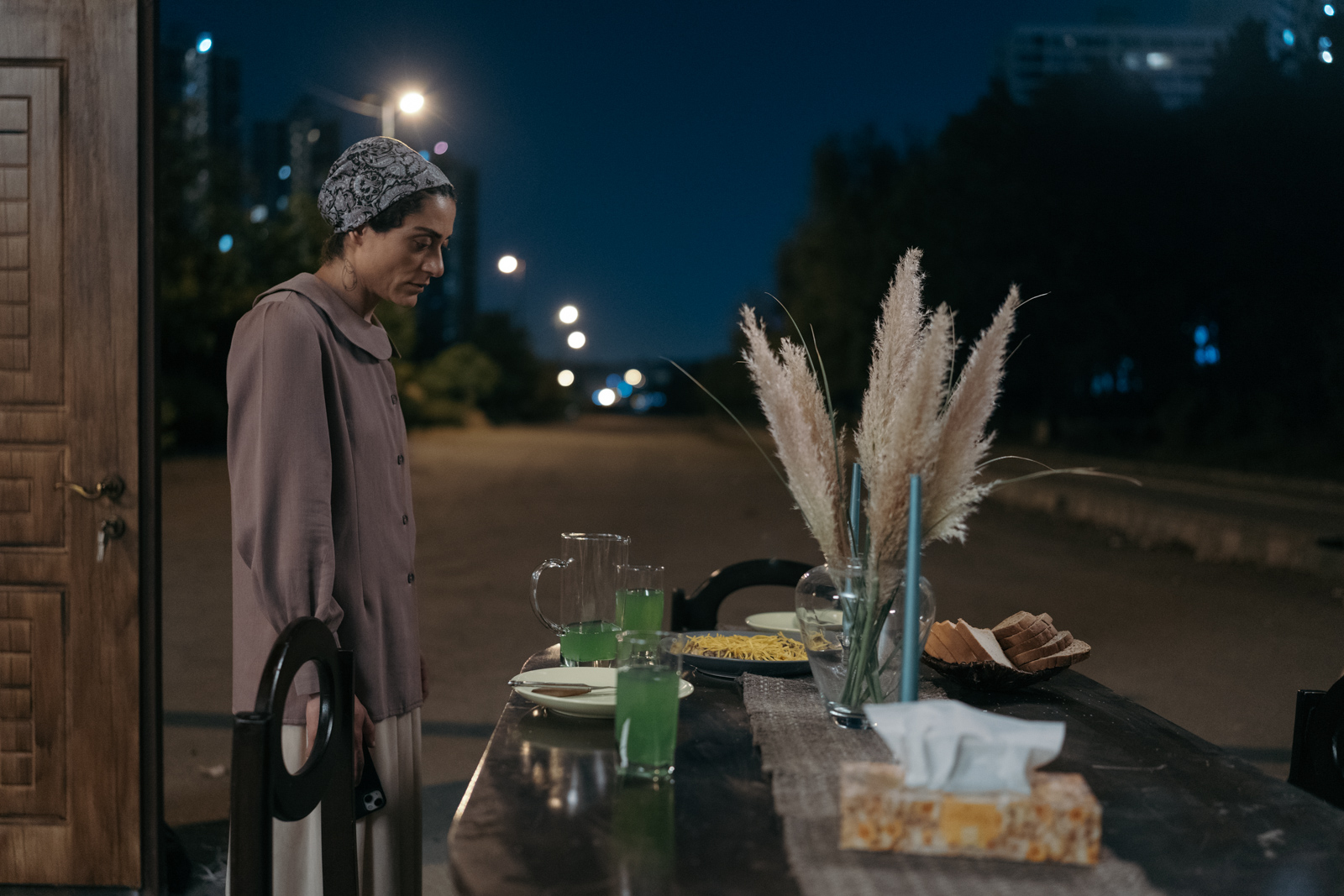
In both The Woman Who Laughs and Prehistoric, theatre appears as a privileged space of transformation, masks, and self-confrontation. Why do you think the stage so often becomes the place where female characters negotiate their freedom and identity?
I believe that playing a role (trying to become someone else) can ultimately bring us closer to who we truly are. The mask a woman wears on a theatre stage is fundamentally different from the mask she is often forced to wear in society. The difference is choice. On stage, the mask is voluntary. She chooses to become someone else, consciously and creatively. In doing so, she creates a new reality; one in which the roles imposed upon her no longer have the same power. The stage becomes a place where she can experiment with identity instead of merely accepting the one assigned to her. Perhaps that is why theatre returns so often in my films. It is not simply a place of performance; it is a space of freedom, where imposed masks can finally be replaced by chosen ones.
In the West, Iranian women are often portrayed either exclusively through the lens of oppression or as symbols of resistance and emancipation. What important nuances of their everyday lives are lost between these two simplified images?
I think this is a very important question, because this tendency exists not only in the way Iranian women are sometimes perceived abroad, but also in the way they are occasionally portrayed by Iranian filmmakers themselves. What often gets lost is the woman as a human being. Reducing women to either victims or symbols of resistance leaves very little room for them simply to live. Like men, women make mistakes. They become tired, impatient, or discouraged. Sometimes they want to give up. Sometimes they laugh, joke, and refuse to take the world too seriously.
If we fail to portray women with the full complexity of their humanity, we also reduce the possibility of genuine empathy. A character ceases to be a person and becomes a manifesto. That is the difference, for me, between cinema and journalism. Journalism often needs symbols; cinema needs human beings.
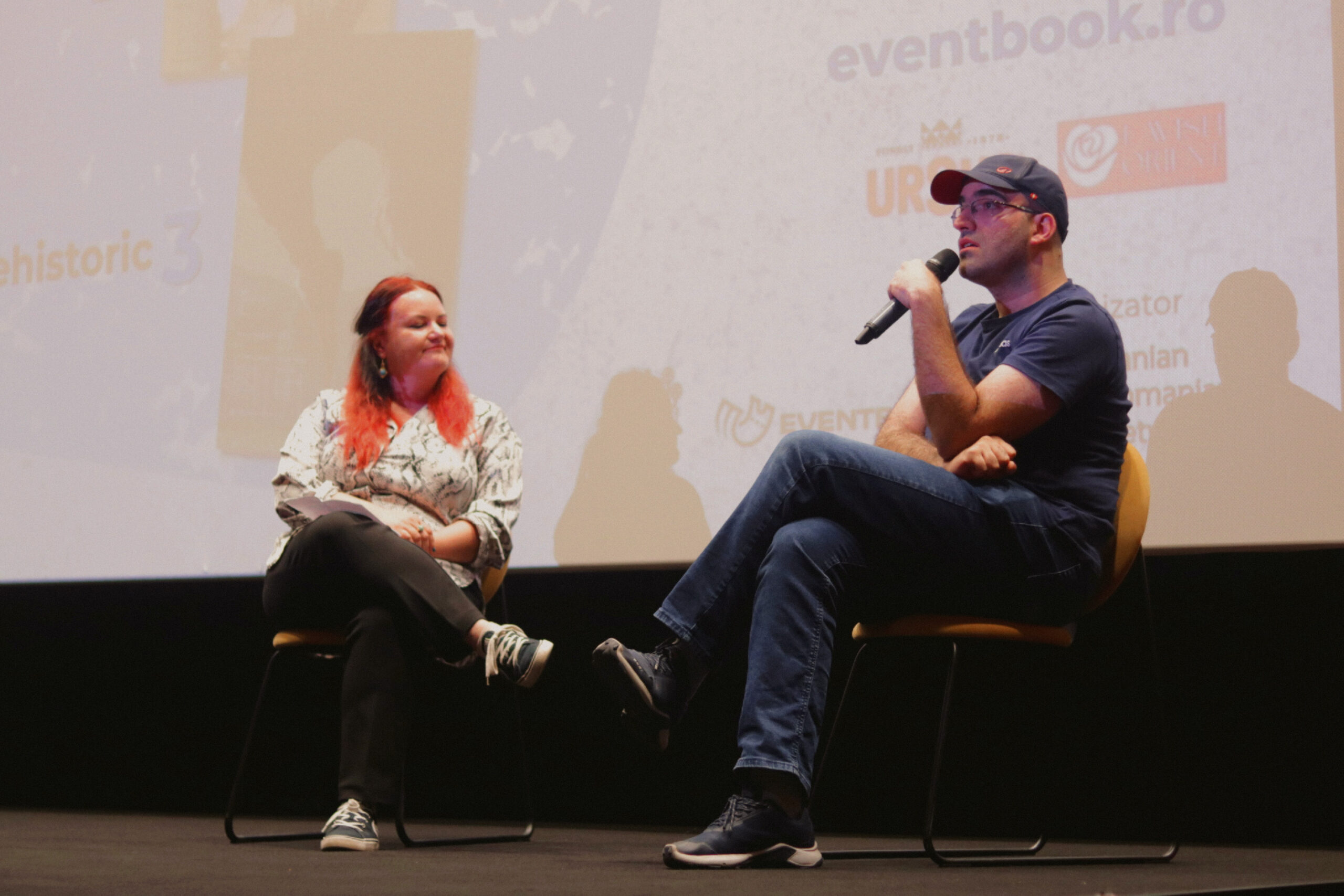
At a time when many Iranian artists choose to create from within the diaspora, you continue to live and work in Iran, witnessing social transformations from the inside. How does the responsibility of a filmmaker change when speaking about their own community from within it rather than from a distance?
I think that when you live and make films from within Iran, it becomes much harder to see people in simple terms or divide them into categories of heroes and villains. Living alongside them means that the complexity of everyday life inevitably shapes both the psychology of your characters and your own understanding of drama. You are part of that community. You are not looking at it from the outside. Because of that, your responsibility changes. You cannot simply pity people, nor can you turn them into untouchable symbols of heroism. Instead, you begin to recognize yourself in your characters, with all their contradictions, doubts, and imperfections.
For me, that moral complexity is the heart of cinema. It is what allows a story to move beyond ideology and become deeply human.
The trilogy that is being presented in Romania for the first time follows characters in moments of crisis without offering simple moral answers or reassuring conclusions. In your view, is the role of art to heal, to challenge, to bear witness, or to create a space where contradictions can exist without being resolved?
I think the answer is all of the above.
As I mentioned earlier, art resists simplification. Cinema, especially as a visual medium, works by showing rather than explaining. It cannot honestly claim to solve the fundamental questions of human existence. Yet I believe that the very act of showing is already a way of responding.
The way a filmmaker chooses to look at their characters (the lens through which they see them) already reflects a particular understanding of the world. In that sense, every film contains an answer, but not in the way a mathematical problem has an answer. Rather than offering definitive solutions, art offers a way of seeing and a way of feeling. It invites us to experience the complexity of a question instead of reducing it. And perhaps that is its quietest and most profound form of wisdom.
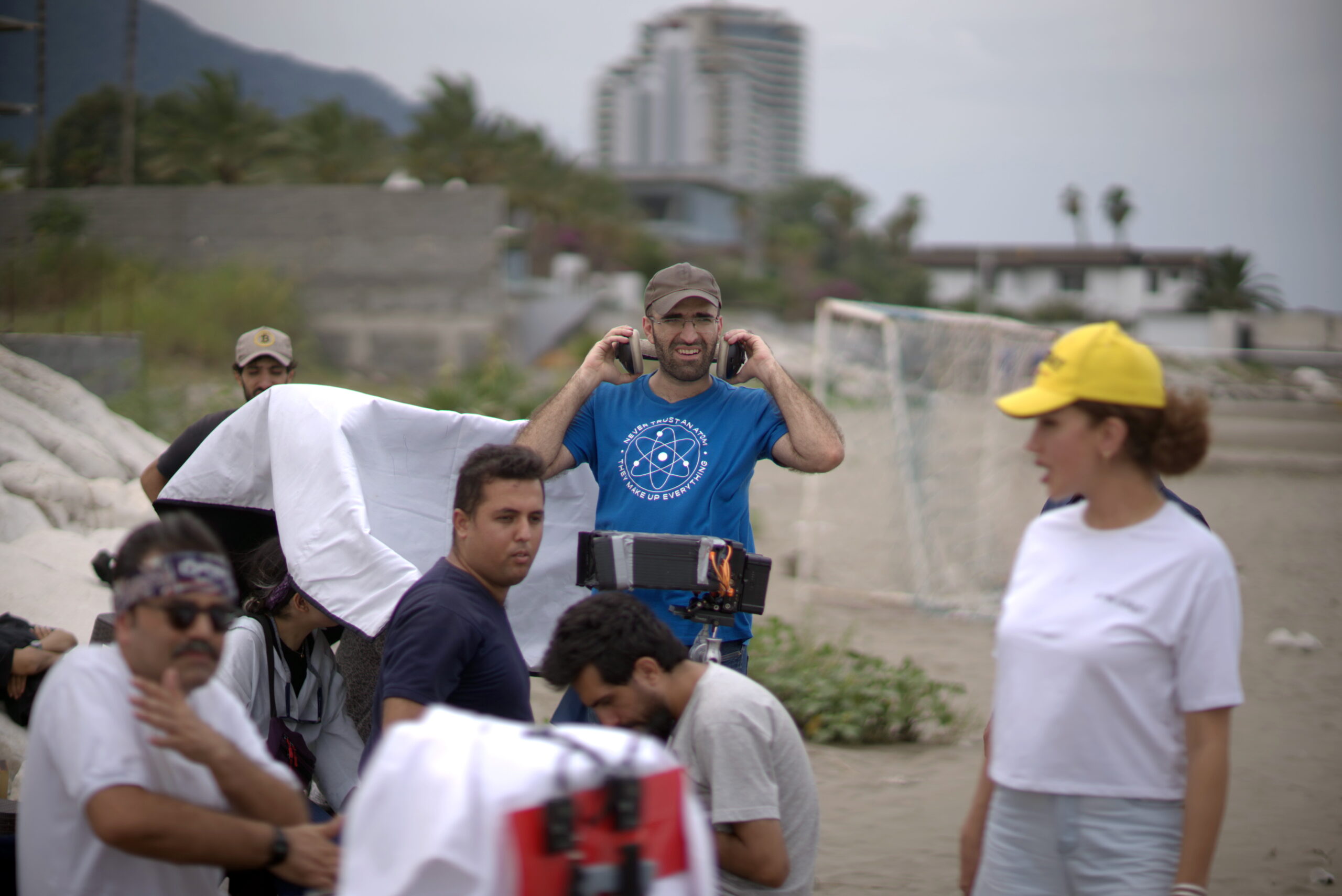
Many of the most significant Iranian films of recent decades avoid clear oppositions between good and evil and instead embrace the grey areas of human experience. Do you think this sensibility belongs specifically to Iranian culture, or is it a universal way of understanding life’s complexity?
I believe this is true of great cinema everywhere. The more seriously art takes human complexity, the less interested it becomes in simple oppositions. In Iran, however, I think this sensibility carries an additional responsibility. For decades, Iran has often been viewed internationally through a political lens, with its image magnified and reduced by political and journalistic narratives. That is precisely why art has an even greater responsibility to offer a cultural lens instead; one that embraces the beauty, the flaws, and the contradictions of a society.
This is one of the reasons I also feel close to the Romanian New Wave. After a difficult political history, many Romanian filmmakers have explored similar moral and psychological complexities. I see that sensibility in the work of directors such as Cristian Mungiu and Radu Jude. Their films, like many of the finest Iranian films, trust the audience enough to live with ambiguity instead of resolving it.
Across all three films, the female protagonists search for a form of inner freedom within contexts that impose visible and invisible limitations. Is there a point at which freedom ceases to be a social condition and becomes an act of imagination?
In many ways, all three of my films are about precisely this: the practice of freedom through imagination. Imagination is the one place where no external authority can dictate the rules. It is where you are free to invent your own world, play by your own rules, and allow your story to unfold in the way you believe it should. For me, that freedom of imagination is not an escape from reality; it is one of the greatest forces for living within it. What we imagine gradually takes root in the unconscious, and from there it begins to transform the way we see the world.
If you have a truly free imagination, you begin to understand not only how freedom can be achieved, but perhaps even more importantly, how it can be lost.