
What can a seed tell us about the history of a landscape? How can a garden become a place of resistance, healing and collective memory? And what happens when we begin to look at the plants growing around us not simply as natural resources, but as witnesses to histories of migration, exploitation, adaptation and survival?
In the exhibition Cultivators of Life: Growing Seedbeds of Knowledge, these questions open up conversations about the many ways in which plants, people and landscapes shape one another. At MODEM – Centre for Modern and Contemporary Art in Debrecen, Hungary, the exhibition brings together artists whose practices explore cultivation, biodiversity, ecological knowledge and the social and historical relationships embedded in the natural world. Curated by Adelina Luft and Krisztián Gábor Török, the exhibition invites us to reconsider what it means to cultivate life, and whose knowledge and histories are preserved in the process. It can be visited until 31 December 2026.
Two of the artistic practices presented in the exhibition approach these questions through different, yet deeply connected perspectives. Both look at plants as carriers of knowledge and memory, and both challenge the idea that cultivation is simply a matter of producing food or managing land. Instead, they reveal the complex systems of relationships, cultural practices and power structures that lie beneath the surfaces of everyday landscapes.
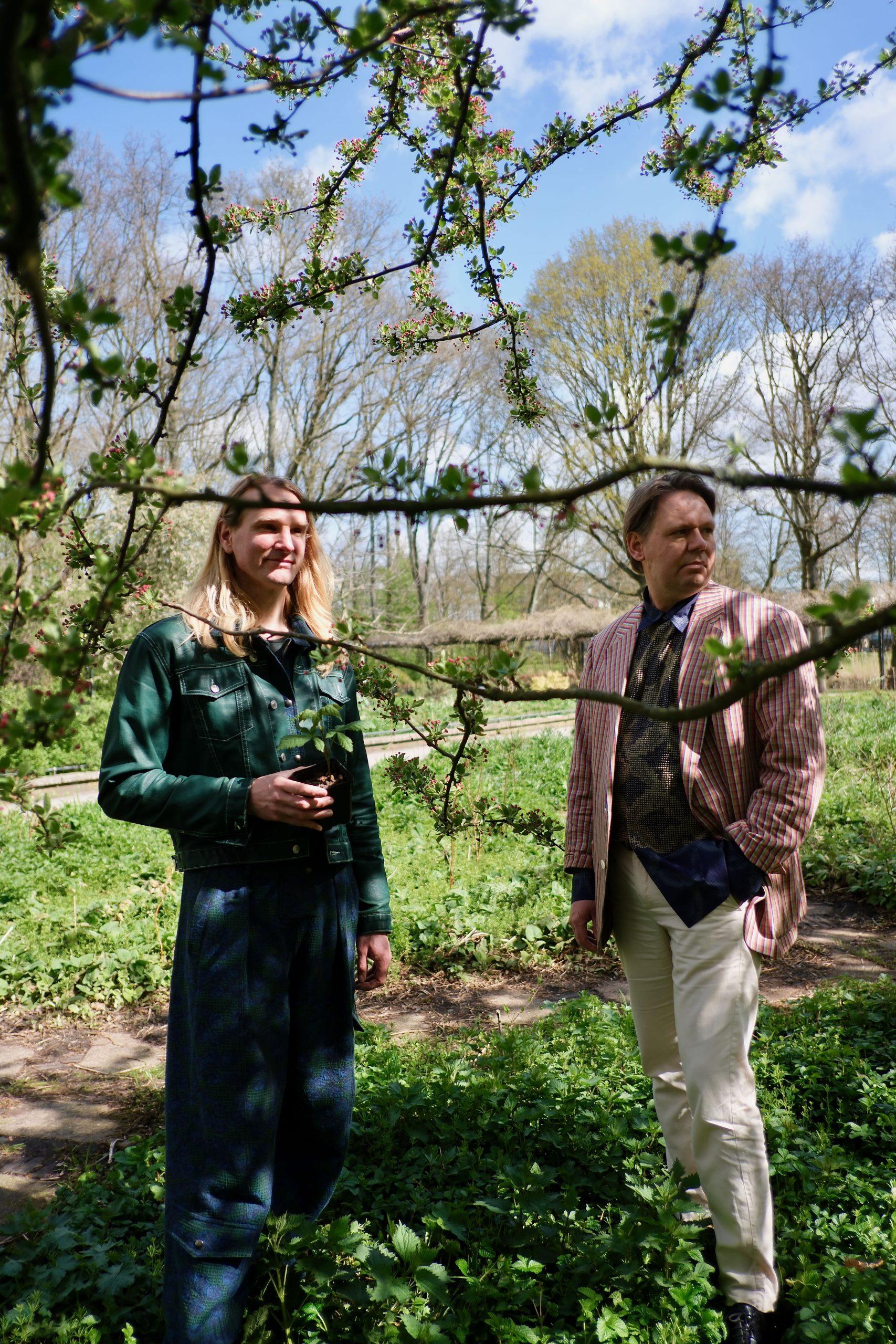
De Onkruidenier, a Dutch artistic collective founded in 2013 by Jonmar van Vlijmen and Ronald Boer, works at the intersection of art, ecology and field research. Through collaborations with local communities, researchers and other practitioners, the collective investigates the relationships between plants, food, soil, water, migration and human activity. Their work often begins with close observation of specific landscapes and the everyday practices that shape them, gradually opening up larger questions about symbiosis, adaptation and the future of living environments.
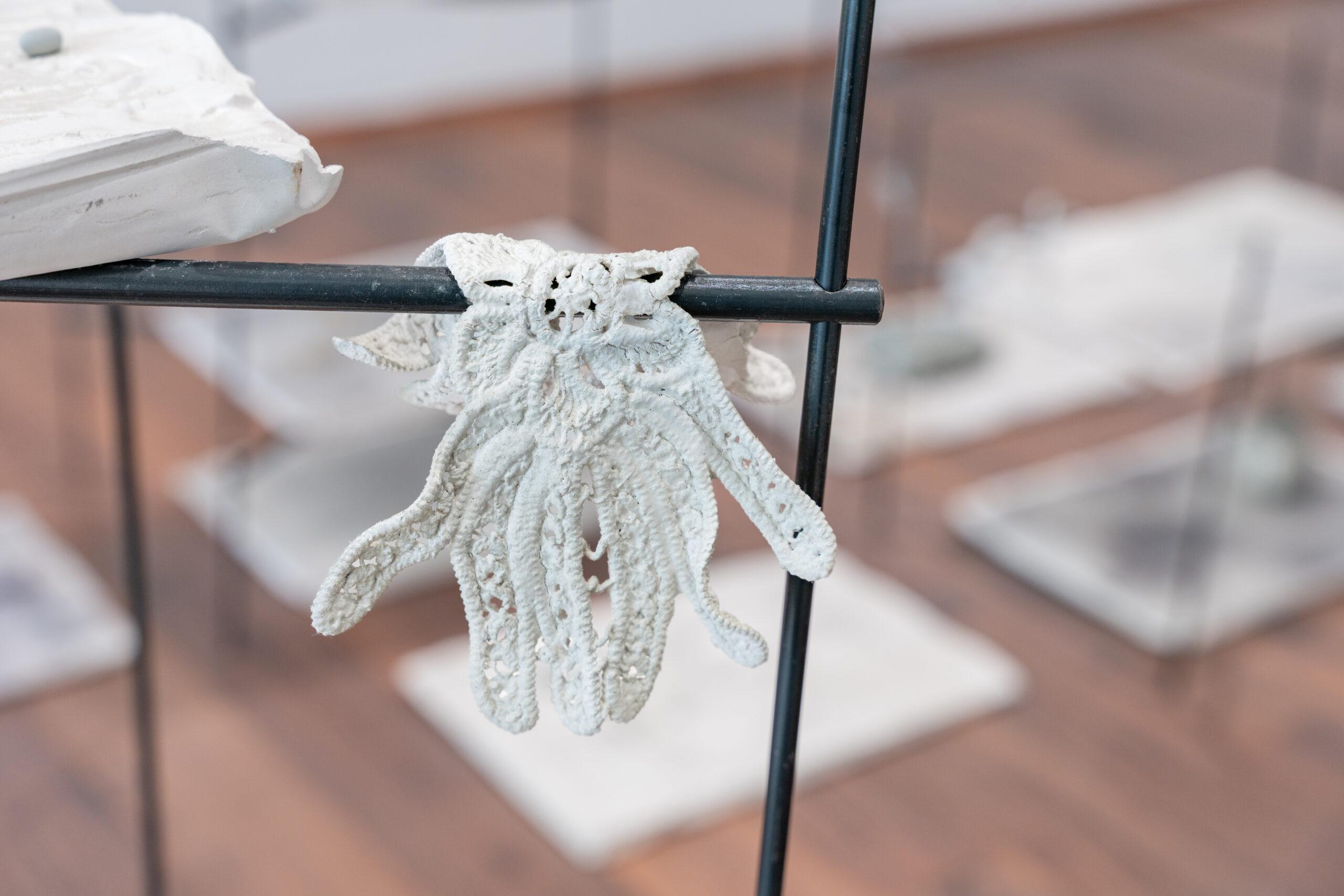
In On the Same Ribbon: Holding a Seed, Unfolding a Landscape (2026), De Onkruidenier explores genetic diversity as something that is constantly evolving through cultivation, migration, food systems and adaptation. Rather than understanding seeds as static genetic material that needs to be safely stored away, the collective looks at the knowledge and relationships that allow biodiversity to remain alive. Their approach follows what they call a living transect, tracing the journey of everyday food products from fields and gardens to local markets and supermarket shelves. A bag of flour or a bottle of sunflower oil becomes a starting point for uncovering the landscapes, agricultural histories, human decisions and genetic memories hidden behind the products we encounter every day. Through seeds, objects, drawings and experiments, the work asks how we might develop more resilient food futures by reconnecting with the knowledge embedded in local cultivation practices.
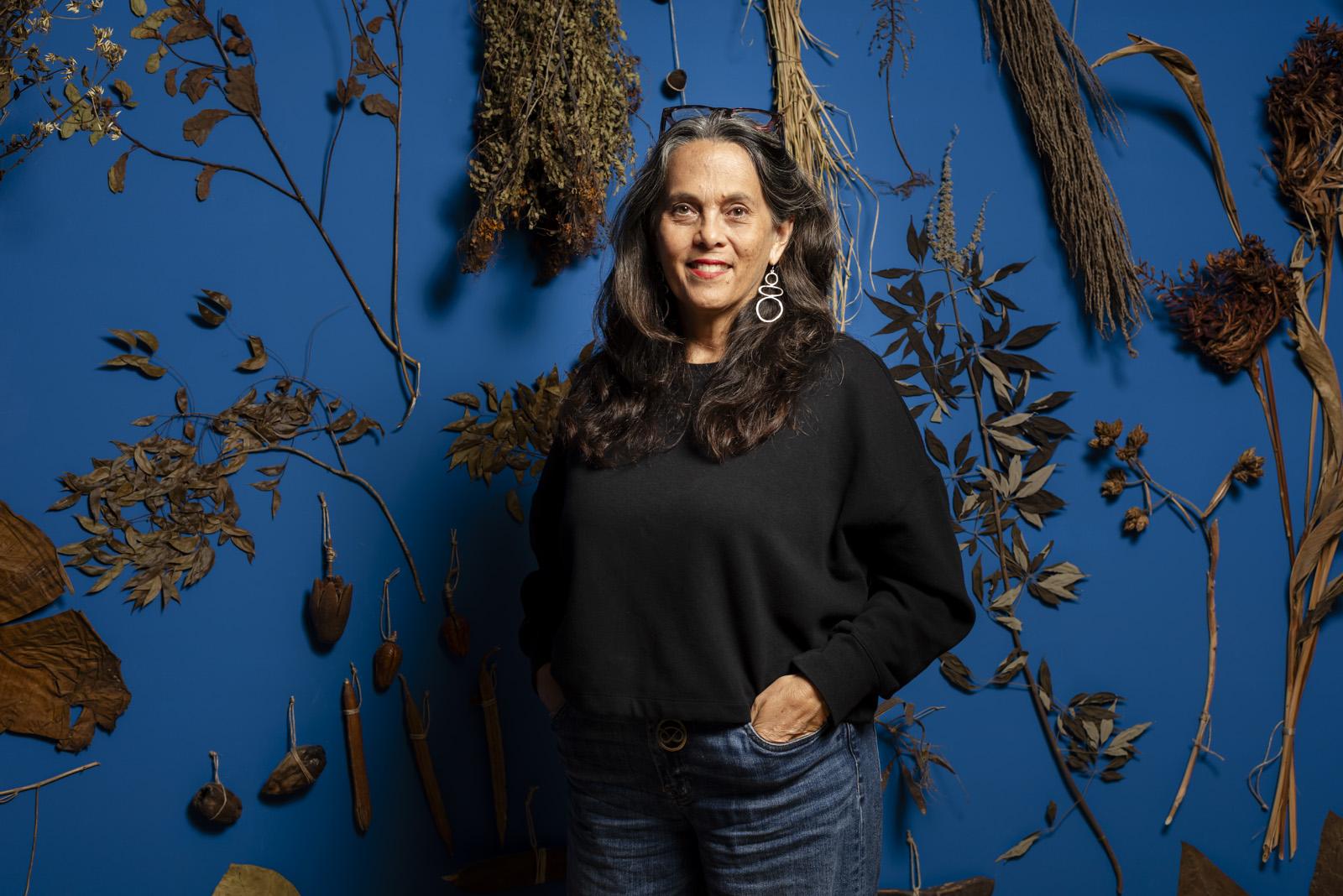
A different, though equally layered understanding of cultivation emerges in the work of Annalee Davis, a Barbadian artist, cultural instigator, educator and writer whose practice investigates the legacies of plantation economies, colonial histories, botanical knowledge and community-based forms of healing. Working with gardens, medicinal plants, archives and collaborative artistic processes, Davis explores how overlooked or suppressed knowledge systems can become sources of resistance and regeneration.
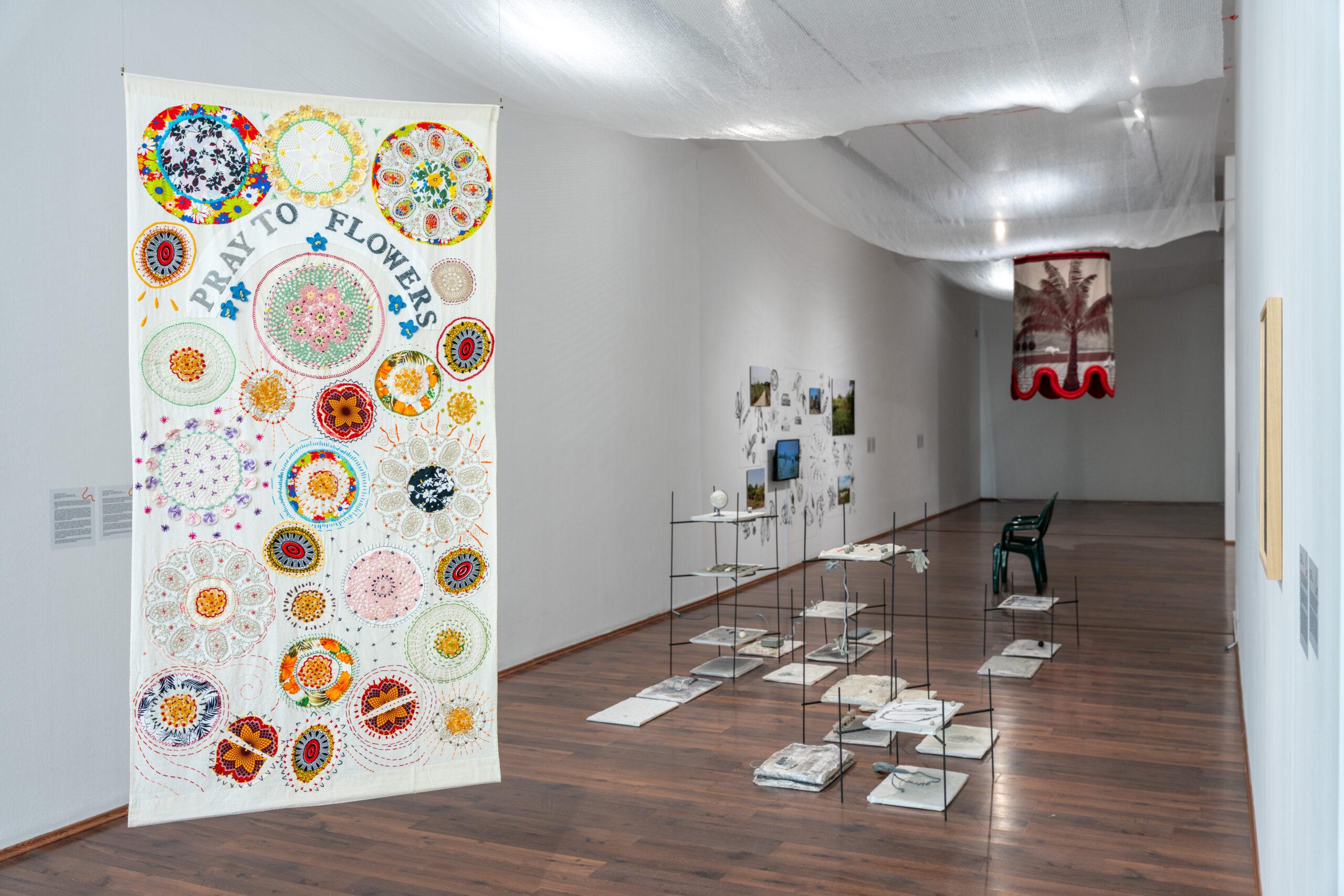
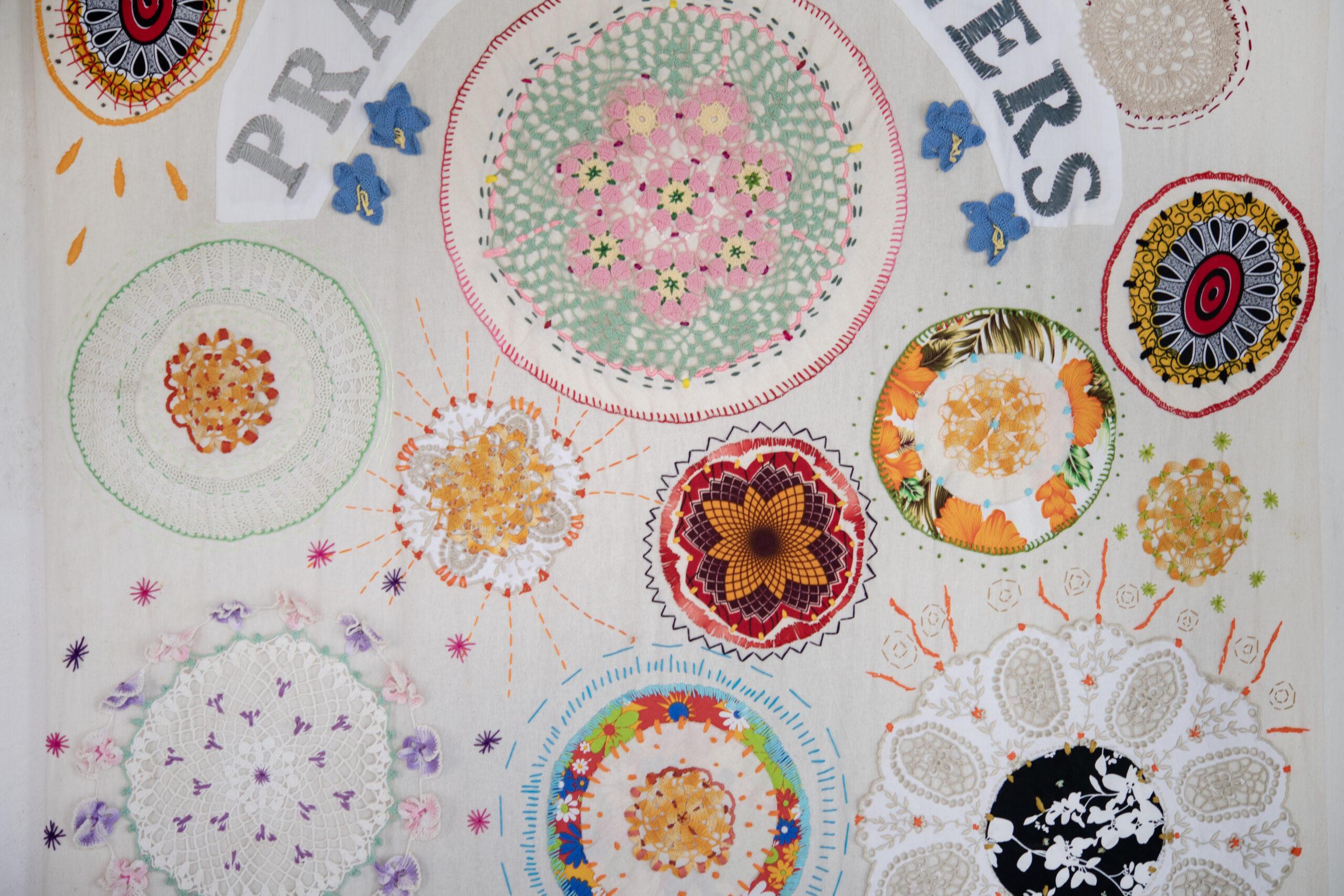
In Pray to Flowers – A Plot of Disalienation (2023), she brings together gardening, medicinal plants, seed circulation and collective textile work. Drawing on the history of Barbados, where plantation agriculture transformed both the land and the lives of people brought there through enslavement, Davis approaches the garden as a space for restoring relationships with the soil, remembering ancestral practices and reclaiming forms of knowledge that colonial systems attempted to erase. The work also brings together women from different generations through a slow process of embroidery, crochet and appliqué. Using inherited, gifted and second-hand textiles, alongside traditional stitches and contemporary fabrics associated with Barbados’ Crop Over festival, the collective work challenges inherited ideas about femininity and domestic labour, while addressing the lasting consequences of monoculture and plantation economies.
Another aspect of Davis’s exploration of the relationship between plants, bodies and systems of power can be found in Second Spring Study (i) (2019). The work uses a page from a 20th-century plantation ledger as the ground for a botanical intervention: a plant grows across the document, interrupting its rows and columns. The ledger, originally used to record and assign economic value to plantation activities, becomes a surface on which the artist questions the ways in which value has historically been attributed to reproduction, productivity and the female body. Drawing on her own experience of ageing and menopause, Davis uses the image of a drooping, breast-like form from which a Heart seed vine (Cardiospermum microcarpum) emerges to challenge the idea that a woman’s social value diminishes once her reproductive capacity changes.
One practice follows the journeys of seeds and food through contemporary agricultural systems, while the other returns to the botanical and cultural histories of a landscape shaped by colonial exploitation. Both remind us that plants carry stories that are easy to overlook, and that cultivating life also means caring for the knowledge, relationships and memories that make it possible. We spoke with De Onkruidenier and Annalee Davis about genetic diversity, food systems, medicinal plants, colonial histories, collective knowledge and the possibilities of imagining more resilient and regenerative ways of living with the land.
De Onkruidenier
You approach genetic diversity not as something that simply needs to be preserved in seed banks, but as something that continues to change through cultivation, migration, food and adaptation. Why is this distinction important to you?
How do we grow resilient food futures? Seed banks preserve seeds to prevent them from being lost. The genetic material of crops is stored safely, as if frozen in time. But how do we preserve the collective knowledge surrounding seeds, crops and the food we eat, especially in a time of profound climatic change?
Our living environments are changing rapidly. Seasons and weather patterns are shifting. Developing cultivation practices for seeds and crops adapted to a changing climate does not happen inside a seed vault. Genetic diversity evolves within local communities that adapt and move alongside changes in their environments. Making the distinction is important that resilience is something we need to actively embody.
In your “living transect”, the journey from fields and gardens continues all the way to markets and supermarket shelves. What can a bag of flour or a bottle of sunflower oil tell us about landscapes and histories that we can no longer see?
As De Onkruidenier, we engage extensively in artistic fieldwork. We seek to understand a landscape through the eyes, hands and knowledge of local residents, entrepreneurs and researchers. We begin with a transect: this can be a geographically defined area, such as a garden or a region, but also a more abstract or conceptual space, such as a food system. Within this transect, we follow a protagonist, for example a bag of flour or a bottle of sunflower oil.
These everyday staples are not merely commodities; they are also carriers of memory. They embody both the tensions and the interconnectedness between the ecology and economy of landscapes. How much our agricultural landscapes have industrialized crops like sunflower and wheat that are still grown in the same soil. They carry a genetic memory. Supermarkets seem to sustain a limited selection of the most widely consumed food crops. This risks the loss of part of our genetic diversity. When we work in the field and encounter local entrepreneurs or small-scale agricultural initiatives committed to preserving species, recipes and traditions, we see how the transect can be kept alive. These practices offer fertile ground for hope.
The title suggests that holding a seed can also mean unfolding an entire landscape. What kinds of stories or relationships do you think remain hidden inside the food we encounter every day?
Food is a multisensory experience that we engage with every day. Yet, for most of us, our everyday foodscape is an assemblage of landscapes from all over the world. Crops, ingredients and recipes carry traces and stories that can be brought back to life through the food we prepare.
Finally, we would like to propose an exercise.
As you do your daily shopping, whether at a supermarket, a local market or somewhere else, take a moment to imagine the landscapes that lie behind a product. Let your thoughts travel back to the seed from which the crop grew that made this product possible.
In what soil did this seed awaken? Which seasons and weather conditions did the plant experience? Who cared for the crop, and what beliefs or convictions guided their work?
Try to imagine the relationships, knowledge and histories that converge in something you may hold in your hands every day, yet whose origins have largely remained out of sight.
Annalee Davis
Your work often starts from plants and gardens, but quickly opens into questions of colonial history, gender, labour and power. What can a garden reveal about a society that might remain invisible if we looked only at its official history?
The gardens I have nurtured, or plots as I call them, highlight the revolutionary and subversive history of plants, acknowledging them as agents of restoration and reparation while insisting on the need to remember valuable systems of knowledge erased or forgotten since the era of Barbadian enslavement. They recognise that all plantation lands on the island are embedded with traumatic histories rooted in the extraction of physical labour from people transplanted from around the world and the exhaustion of the soil through mono-crop farming practices. I see these plots as living apothecaries intended as sacred spaces of healing, regeneration, and contemplation, honouring the traditions of bush medicine while recognising these sites as hallowed grounds.
These plots understand nature as a radical agent of resistance against the singular model of the plantation, appreciating the resilience of our regenerative biosphere and its inherent capacity for healing at the agricultural, botanical, and psycho-spiritual levels.
Specially curated selections of medicinal plants makes visible the endangered, covert Afro-spiritual bush tea customs as ritual practised by enslaved people who nurtured small plots, and harvested botanicals from hedgerows and gullies and consumed them for their medicinal and spiritual properties.
As living restorative plots, they offer a curative space collaboratively brought to life through art practice, landscape architecture, and botany, becoming counterpoints to plantations as fixed sites of trauma, violence, and exclusivity, allowing reconciliation with the land and the virtual slaughterhouse that lies below it.
In Pray to Flowers, you brought together gardening, medicinal plants, seed circulation and collective textile work. What does working slowly and collectively with other women make possible that an individual artwork might not?
In their making, these works appreciate the gathering of women who joined me in their slow construction, thread by thread, words by many words, and the inherent need to commemorate slow cultural work communally. The collaborative effort, which spanned women from their 50s to their late 80s, included British sewing traditions that Barbadian women inherited and were taught in the 1950s. Practised across races and classes, their habitual utilisation of the needle and thread instilled notions of what it meant to be feminine. Pre-approved imagery, stitches, and colours replicated across samplers were part and parcel of the training of middle- and upper-class women.
Conversely, the suite of five large embroidered works, including Pray to Flowers, disregarded the restricted range of carefully taught stitches, colour combinations, and sanctioned subject matter dating back to my mother’s and aunt’s generation. The embroidered, appliquéd works interweave inherited, gifted, and thrifted crochet, appliqué, and embroidery pieces to address more indelicate discourse, such as the impact of mono-crop farming and the plantation on today’s climate emergency. Time-honoured stitches including 100-year-old cutwork embroidery are intermingled with contemporary so-called ‘African’ print fabrics worn during Barbados’ annual Crop Over festival. Merging pale pink crochet pieces and machine-made lace, this mash-up of fabrics, threads, and traditions acknowledges the creolisation inherent in the formation of post-independent Barbados to present a suite of slowly made protest placards that disrupt the colonial narrative and propose other knowledge systems.
In Second Spring Study (i), a plant grows across a plantation ledger, connecting the transformation of the female body with systems that historically measured and valued cultivated life. What drew you to the plantation ledger as a material for thinking about ageing, change and the body?
I became interested in these 20th-century ledger pages as a way to examine post-plantation dynamics. Found in an abandoned bookkeeper’s office twelve years ago, they offered a substrate on which I might resist the more typical chronicling of economic plantation activity, offering counterpoints to fixed constructs of the colonial project. The ledgers value notions of propagation and procreation to ascribe what is considered of high value or worthy of noting.
As an aging, menopausal woman, I began experiencing the invisibility that often accompanies the process of growing older and wanted to chronicle my otherwise internal encounters with wildness, freedom, and intuition. The study of a drooping, breast-like shape sprouting the Heart seed vine (Cardiospermum microcarpum) was an attempt at remapping this unfathomable biological mystery, countering the intransigence of prescribed femininity while interrupting the rows and columns of plantation ledger pages to go beyond the idea that women’s value to society is nullified once their capacity to reproduce wanes.
Perhaps what connects these two conversations most strongly is the understanding that cultivating life is never just about what grows in the soil. It is also about the histories we choose to remember, the knowledge we pass on and the relationships we nurture along the way. A seed carries the memory of landscapes and generations of cultivation, while a garden can become a place where forgotten traditions are brought back into everyday life and old systems of power are challenged. Through their different practices, De Onkruidenier and Annalee Davis remind us that caring for biodiversity also means caring for cultural diversity, for the people who hold and share knowledge, and for the possibility of imagining other ways of living with the land. Sometimes, the work of growing a different future begins with something as small as a seed, a garden plot or a conversation shared between generations.